

The SPEC 177 rig goes without seat rails. Its seat locks to the frame in two steps: a clamp that grips, then a pin that locks it in place. The seat is easy to fit, stays put when you brake hard, and rolls out whole when you want to use it as a chair.
Most sim rigs pair a bucket seat with a set of seat rails, the same kind of slider you find under a car seat. Fitting those rails is where a lot of builds slow down, for first-time builders and for people who have built rigs before. The job is tedious, your hands end up greasy, and the two rails have to sit perfectly parallel before the seat will slide smoothly.
When we designed the 177, we wanted the seat to be easy to fit and easy to live with. So we designed the rails out.
How do you install seat rails on a sim rig?
A pair of seat rails goes on in four steps, and every step has to match on both sides.
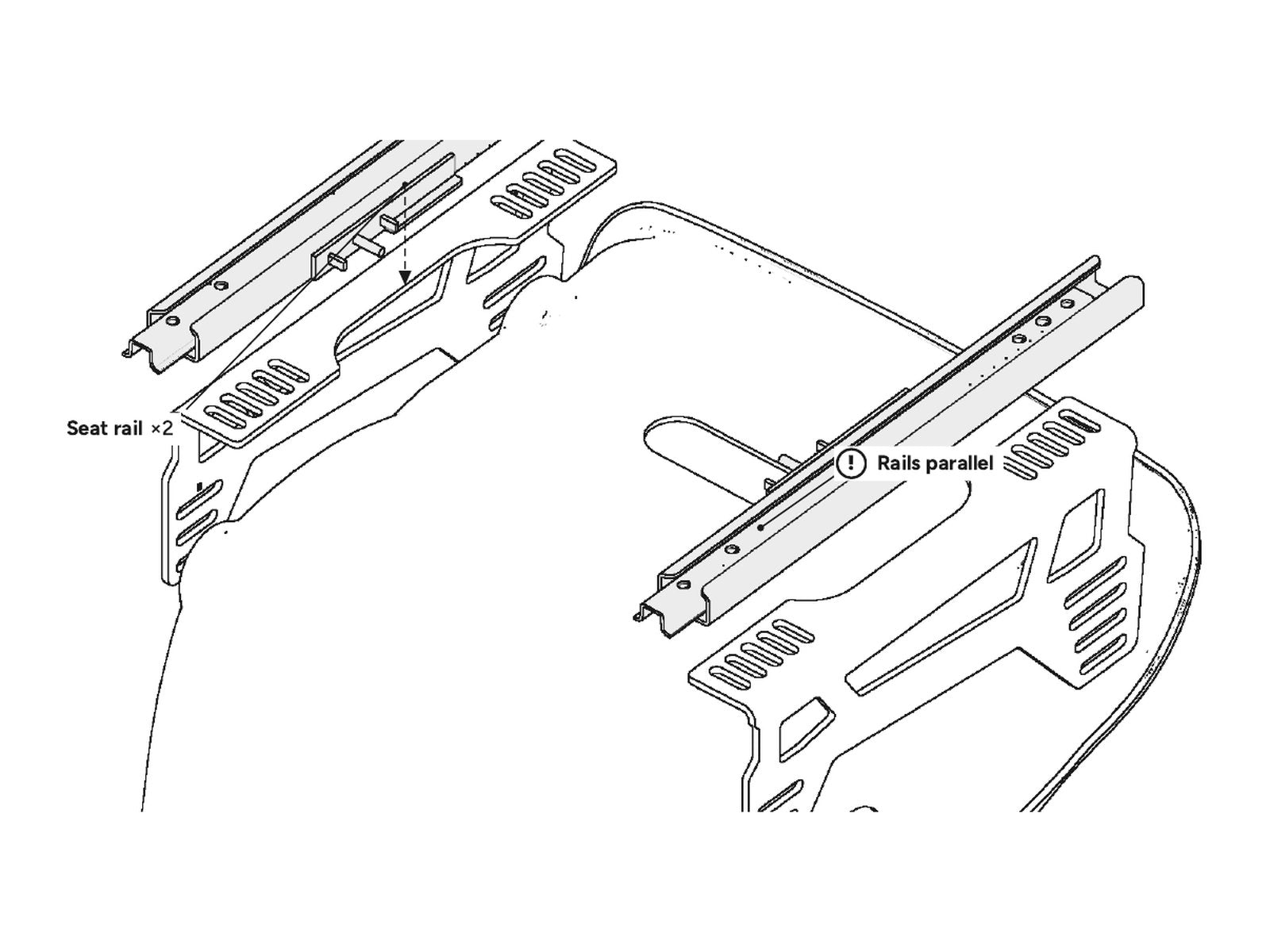
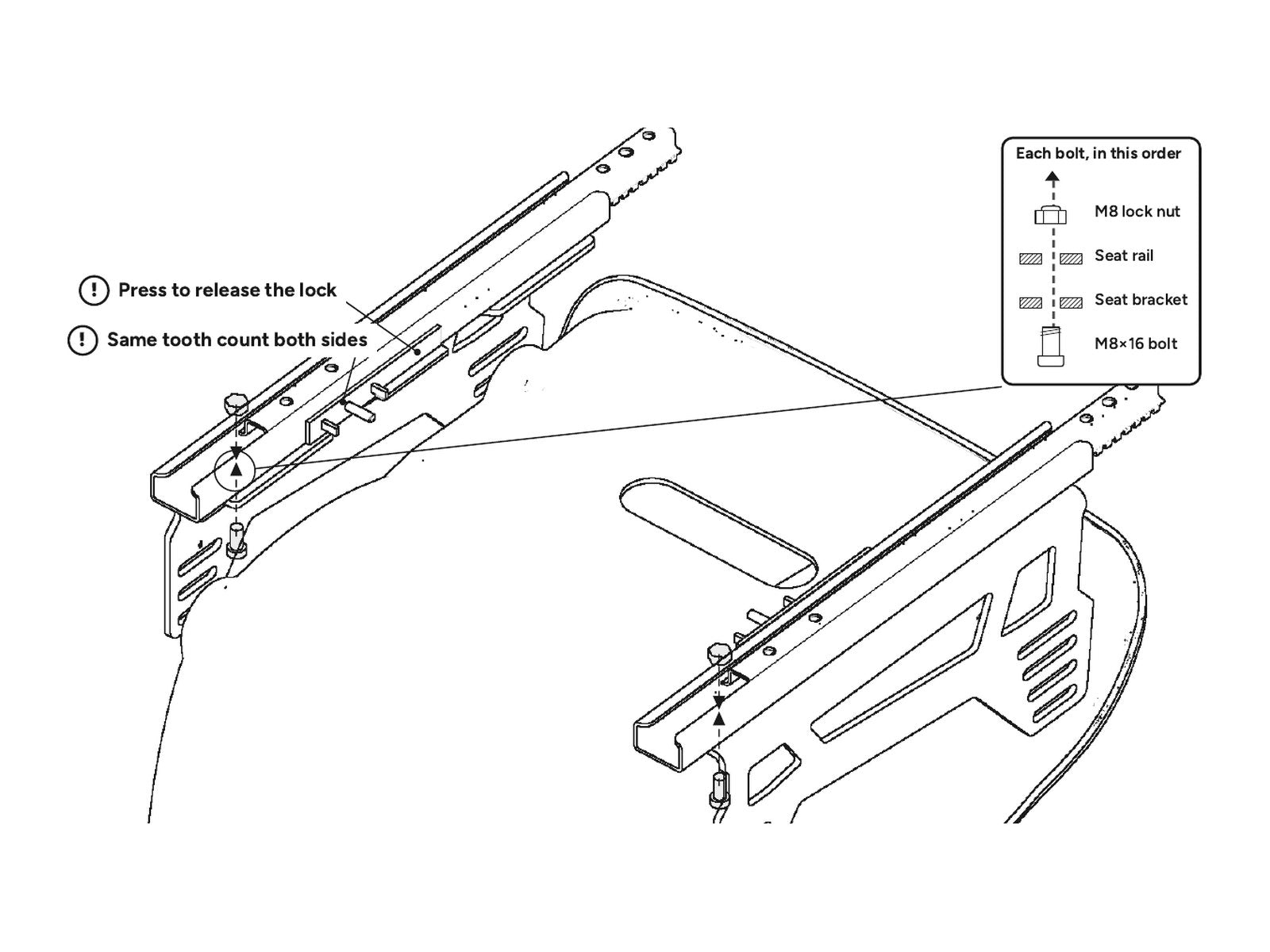
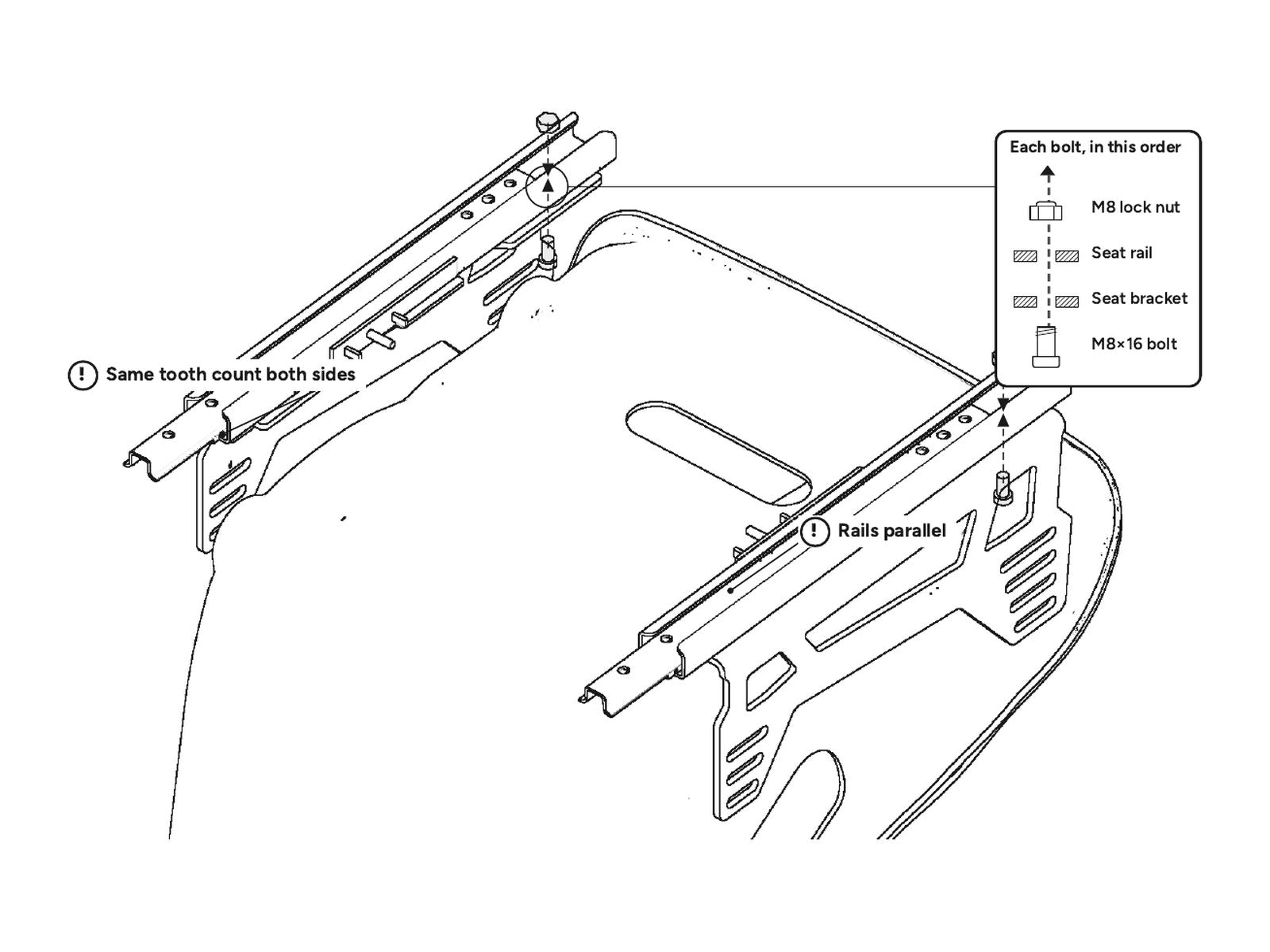
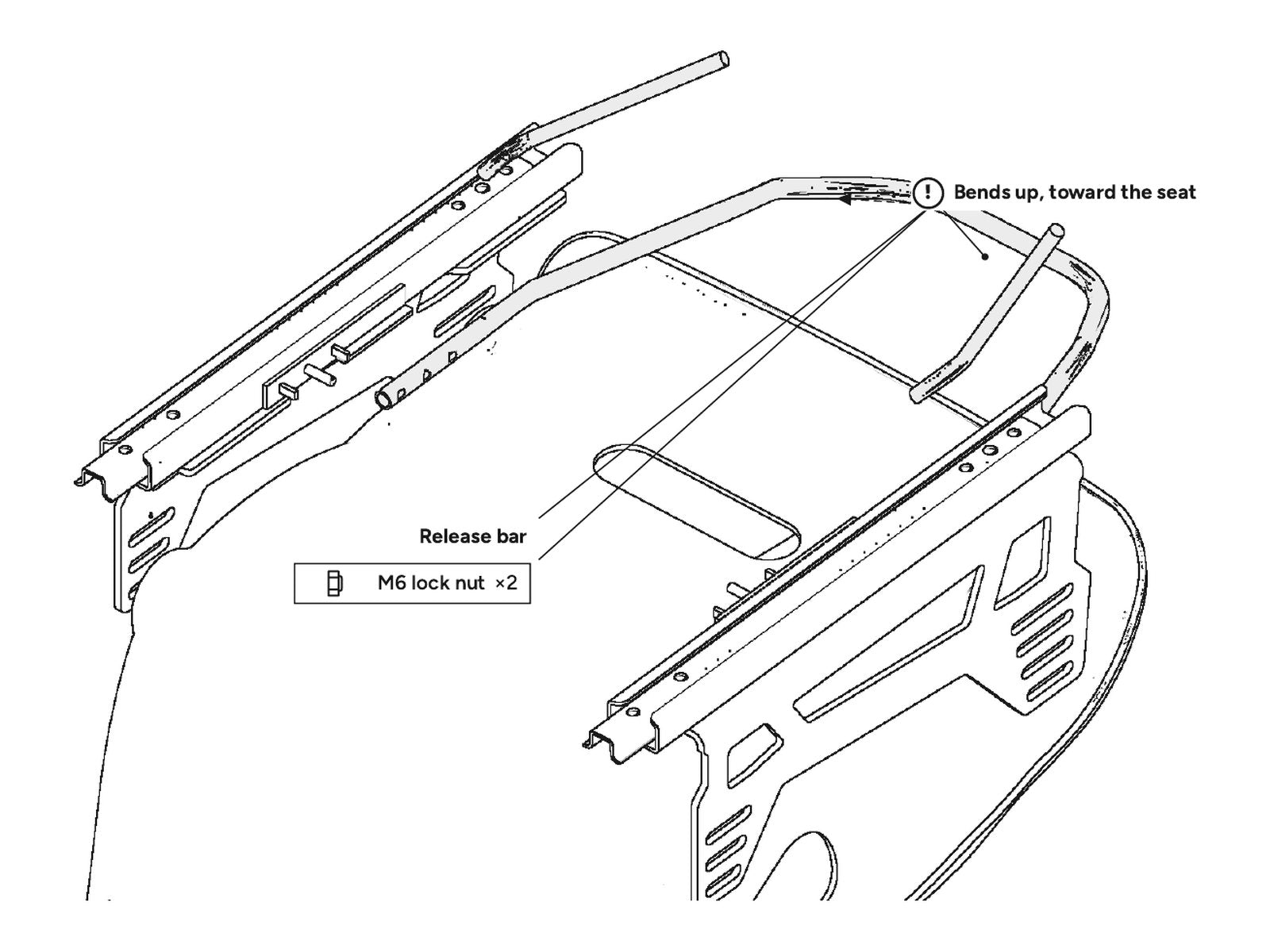
The bolt holes sit under the moving part, so you slide each rail one way and bolt it, then slide it the other way and bolt again. If the two rails are a little off parallel, the seat binds and you can barely push it, so you loosen everything and line it up again.
To fit one seat, you go through every one of these steps, on both sides. It gets complicated, for beginners and experienced builders alike.
For an interactive guide to fitting seat rails, visit our 3D assembly guide.
Why does the SPEC 177 have no seat rails?
Our goal for the 177 was a rig that is easy to build and easy to live with, and the rails were the fiddliest part of the seat. So the seat sits on a quick-release module instead.
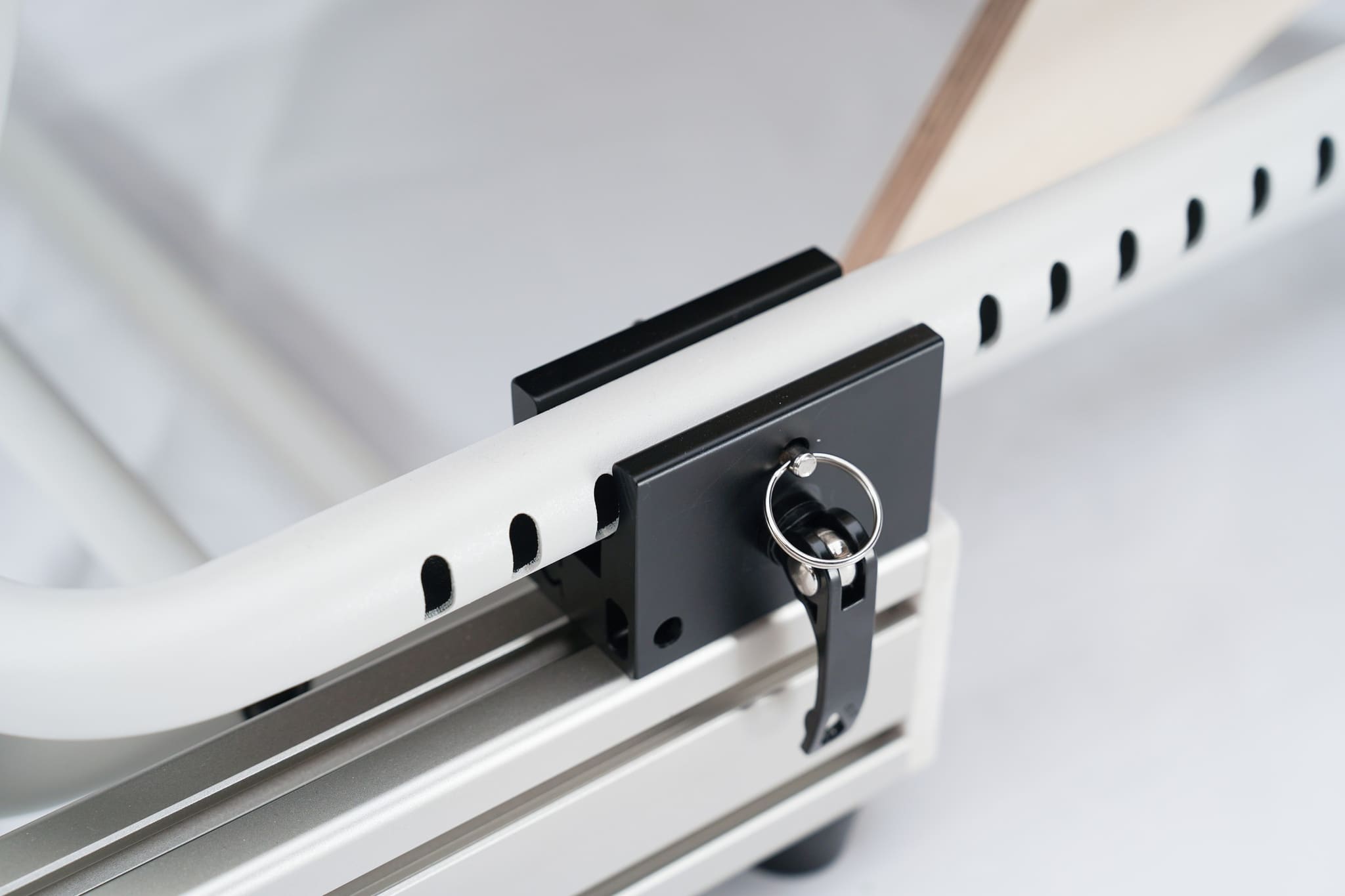
How does the quick-release seat lock?
The SPEC 177 seat locks to the frame in two steps.
- First, the clamp. Close the lever and the clamp grips the seat frame. This holds the seat by friction.
- Then, the pin. The pin goes through the clamp into a hole in the seat frame. Now the seat is held metal through metal, a mechanical lock.
Friction has a limit: under a hard stop, your legs push into the brake pedal and your body pushes back into the seat, and a seat held by a clamp alone can slip. The pin takes that load as a mechanical lock, so the seat stays where you set it. We tested braking on the 177 with a Simucube ActivePedal Pro set to 110 kg.

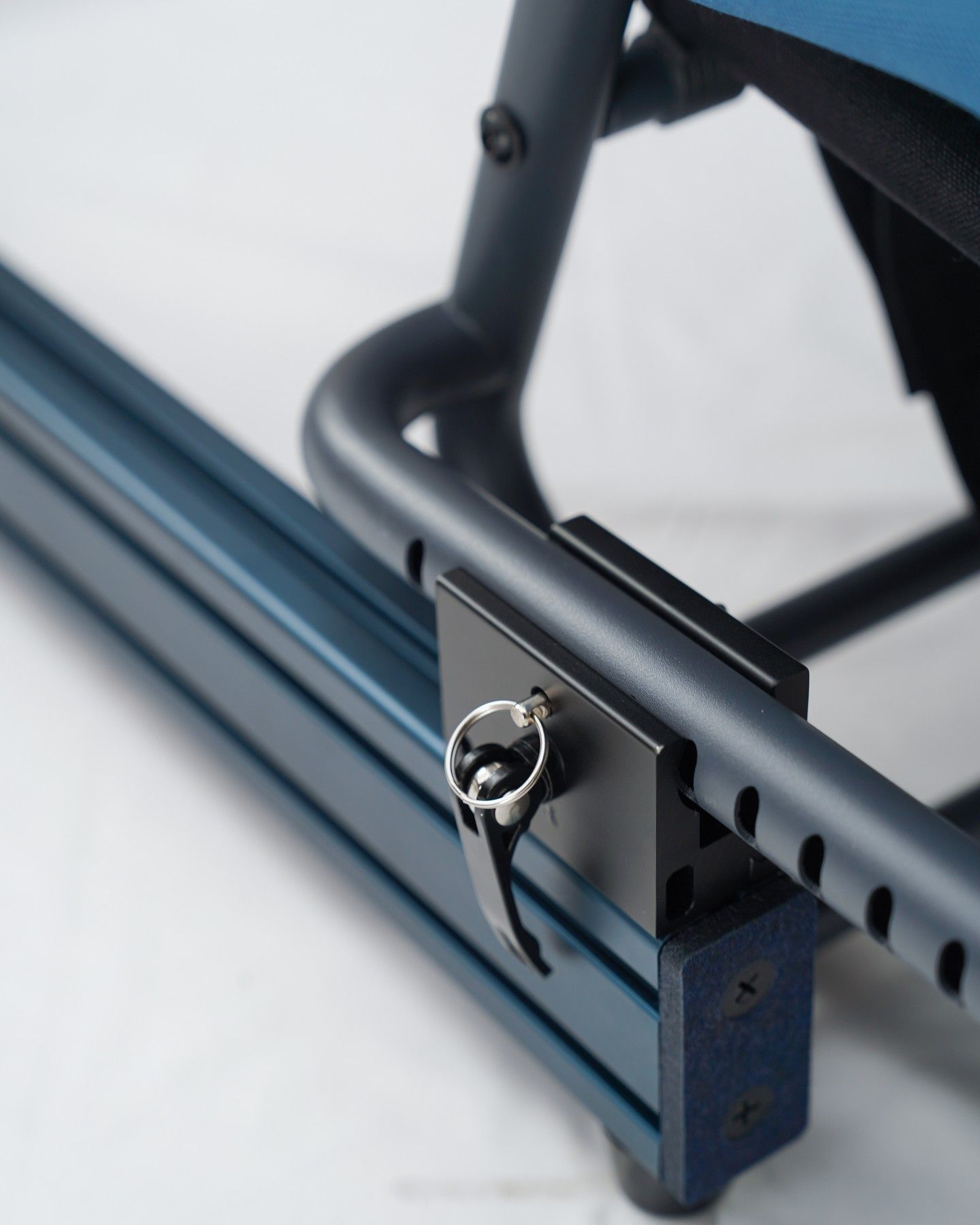
Can you take the seat out and use it as a chair?
Yes. Open the clamp, pull the pin, and the whole SPEC 177 seat comes free of the frame. The wheels are part of the seat, so you roll it wherever you want it.
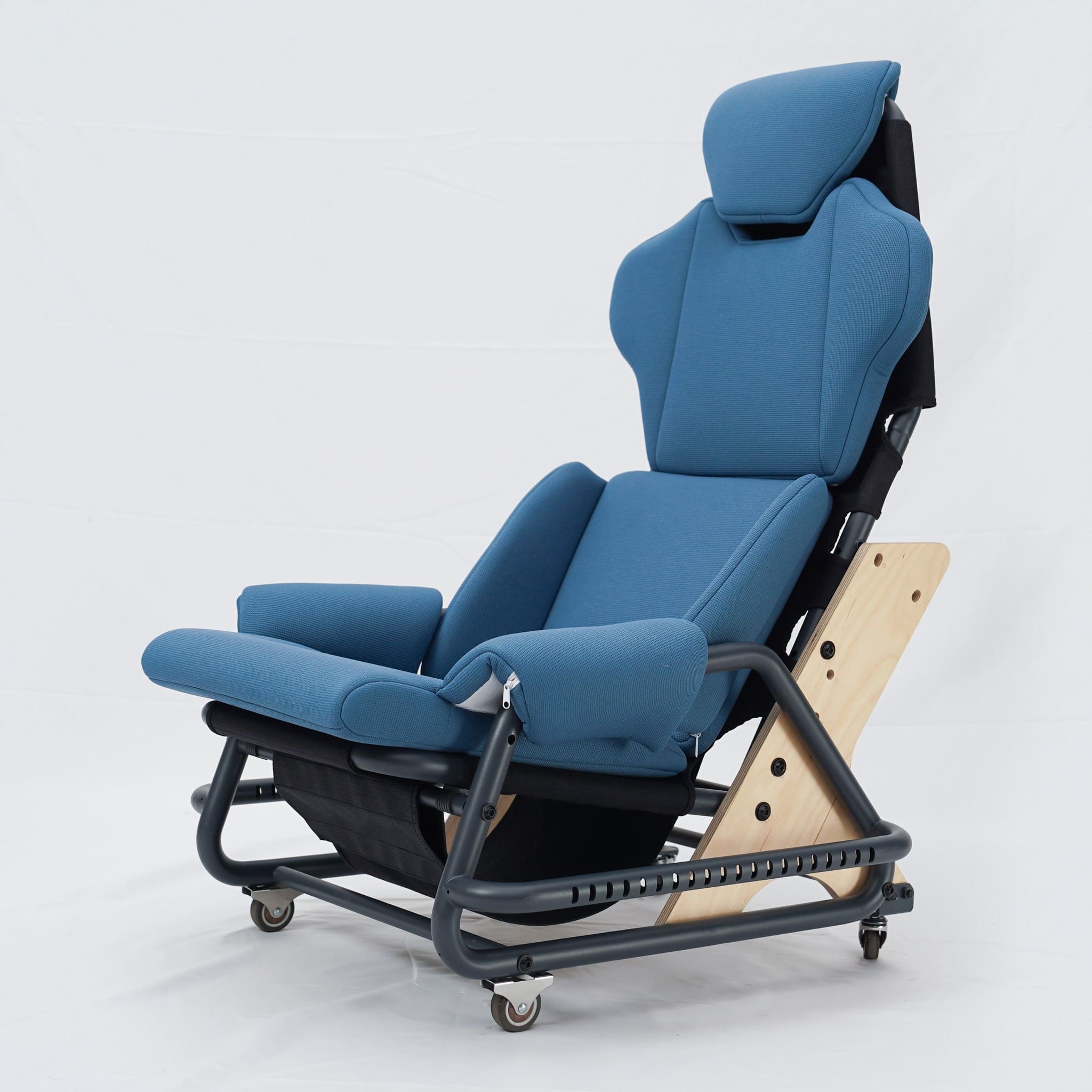

The back and the base adjust separately, so the seat reclines on its own. When you're done racing, use the seat as a lounge chair, or as your gaming chair next to the sofa.

To put it back, roll it in, close the clamp and set the pin.
The rest of the rig, from the three seating positions to the wheelbase fitment, is on the SPEC 177 page.
Seat rails and the SPEC 177: FAQ
Does the SPEC 177 have seat sliders?
No. The seat locks to the frame with a quick-release module: a clamp that grips by friction, then a pin that locks it mechanically.
Why does the quick-release seat use a pin as well as a clamp?
A clamp holds by friction, and under hard braking a seat held by friction alone can slip. The pin is a mechanical lock, so the seat stays where you set it.
How do I stop my sim racing seat from moving when I brake?
Lock it mechanically. A seat held by friction alone, such as a clamp, can slip under hard braking. On the SPEC 177 the seat is clamped first, then a pin goes through the clamp into the seat frame, so it stays where you set it.
Can the SPEC 177 seat be used as a chair on its own?
Yes. Open the clamp, pull the pin and roll the seat out, because the wheels are part of the seat. The back and base adjust separately, so it reclines like a lounge chair.
Why are seat sliders hard to install?
Each rail has its bolt holes under the moving part, so you slide it forward to bolt the rear holes and back to bolt the front ones. Both rails must run parallel, with the same tooth count on both sides, or the seat binds. The rails are also greased.
Can I still change seating position without seat rails?
Yes. The SPEC 177 does GT, Formula and Euro truck or flight. The seat back and base adjust separately, and the pedal deck moves along a continuous adjustable slot.